
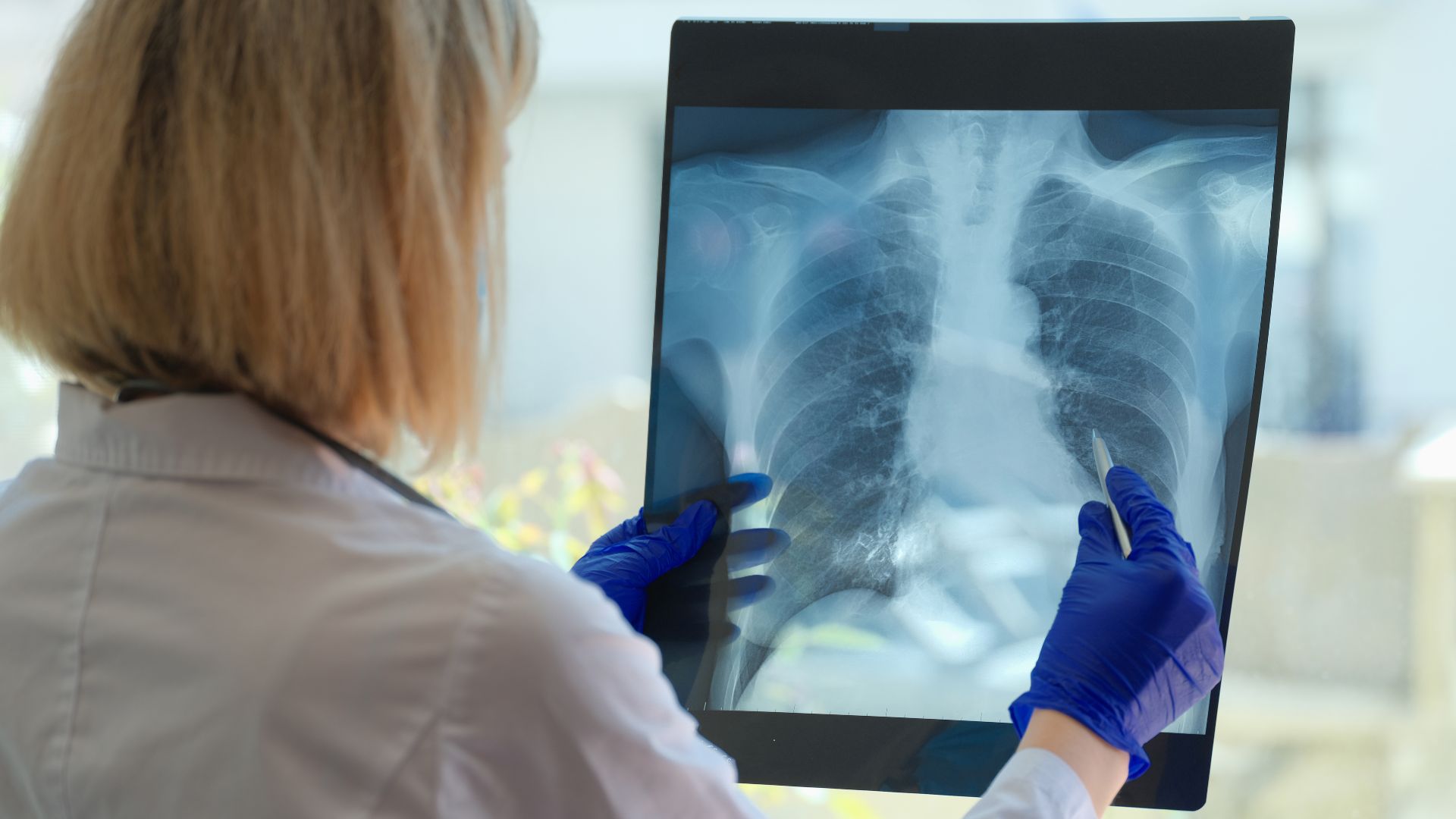
Understanding COPD: How Physiotherapy Can Improve Lung Function
Chronic Obstructive Pulmonary Disease (COPD) is a progressive lung condition that affects thousands of South Africans every year. It encompasses diseases such as chronic bronchitis and emphysema, and is primarily caused by long-term exposure to irritants such as cigarette smoke, air pollution, and occupational dust. While COPD cannot be cured, it can be managed effectively — and physiotherapy plays a vital role in helping patients improve their quality of life and lung function.
South Africa faces unique challenges when it comes to respiratory health. According to the World Health Organization, tobacco use remains high in the country, and many communities are still exposed to biomass fuel combustion for cooking and heating. These environmental factors, along with the prevalence of respiratory infections like tuberculosis, contribute significantly to the incidence of COPD.
How Physiotherapy Helps
Physiotherapy offers a non-pharmacological approach to managing COPD, helping patients to breathe more easily, stay active, and reduce their hospital admissions. Physiotherapy management will start by conducting a thorough assessment to understand the severity of the patient’s condition and tailor a programme to suit their specific needs.
Breathing Techniques
One of the cornerstones of physiotherapy for COPD is teaching effective breathing techniques. Diaphragmatic breathing and pursed-lip breathing can help patients reduce breathlessness and improve oxygen intake. These simple yet powerful techniques can make a meaningful difference in daily life, especially when climbing stairs or walking.
Airway Clearance
Physiotherapists are also trained in airway clearance techniques, which are essential for patients who produce excessive mucus. Techniques such as active cycle of breathing, huffing, and Positive Expiratory Pressure (PEP) therapy can help loosen and clear secretions from the lungs, making it easier to breathe and reducing the risk of infection.
Exercise and Pulmonary Rehabilitation
Many COPD patients avoid physical activity for fear of worsening their symptoms, but inactivity can actually lead to a further decline in lung function and muscle strength. Physiotherapists can design safe, graded exercise programmes that improve cardiovascular fitness, muscular strength, and overall endurance. Pulmonary rehabilitation — a comprehensive programme that includes breathing retraining, exercise training, education, and psychosocial support — has been shown to be one of the most effective interventions for managing COPD.
Local Access to Care
In South Africa, access to physiotherapy services varies greatly depending on location and resources. Urban centres often have access to private practices and hospital-based physiotherapists, while rural communities may rely on public clinics with limited services. Nonetheless, more awareness is growing around the importance of physiotherapy in chronic disease management, and many public hospitals now offer pulmonary rehabilitation programmes.
The Role of a Skilled Physiotherapist
A skilled physiotherapist does more than prescribe exercises — they educate, motivate, and empower patients to take control of their condition. They build trust, monitor progress closely, and adjust treatment plans as the disease progresses or the patient’s function and capabilities improve. In a country like South Africa, where many patients may also face socioeconomic barriers to care, a compassionate and proactive physiotherapist can make a tremendous difference in helping individuals manage their COPD more effectively.
Ultimately, physiotherapy is not just about improving lung function — it’s about restoring independence, improving quality of life, and helping people breathe a little easier each day.