Category Added in a WPeMatico Campaign
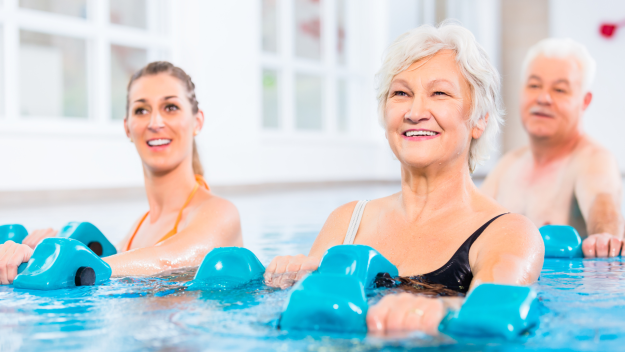
Aquatic Therapy: Harnessing Water for Effective Rehabilitation Aquatic therapy involves guided exercises in a specially heated pool, typically between 32 – 35°C. These sessions are led by trained physiotherapists who tailor the programme to each person’s condition, ability, and recovery goals. The natural properties of water, buoyancy, resistance, and hydrostatic pressure create a unique rehabilitation…
Integrating Physiotherapy into Daily Life: Tips for Sustained Well-being Physiotherapy isn’t just something to think about when recovering from an injury or surgery — it’s a lifelong tool for supporting mobility, strength, and overall wellness. By integrating physiotherapy into daily life, you can maintain progress, prevent future issues, and enjoy improved physical and mental health.…
Long COVID: Physiotherapy Strategies for Recovery As we continue to understand the long-term effects of the COVID-19 virus, more people are facing the challenges of Long COVID – a condition where symptoms persist months after the initial infection. Fatigue, breathlessness, muscle weakness, brain fog, and joint pain are just a few of the lingering symptoms…
Chronic Pain Management: Physiotherapy Techniques That Work Living with chronic pain can have a profound effect on your physical and emotional wellbeing. Whether it stems from an old injury, a long-term condition, or has no clear cause, chronic pain often limits mobility, impacts sleep, and reduces quality of life. Fortunately, chronic pain management doesn’t have…
Postnatal Recovery: The Importance of Physiotherapy After Birth Giving birth is an extraordinary experience, but it also places significant physical demands on a woman’s body. Whether your delivery was natural or by caesarean section, your body needs time, care, and support to heal. That’s where postnatal recovery and physiotherapy after birth come into focus—helping new…
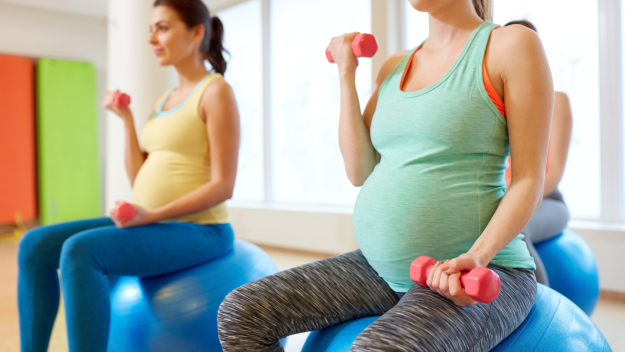
Ante-Natal Physiotherapy: Supporting your body during pregnancy Pregnancy is a remarkable journey filled with anticipation, change, and excitement. As your body adapts to support new life, it undergoes significant physical and hormonal changes that can lead to discomfort, aches, and postural strain. That’s where ante-natal physiotherapy comes in—helping expectant mothers stay strong, supported, and well-prepared…
Physiotherapy for Older Adults: Promoting Mobility and Independence As we age, our bodies naturally go through changes that can affect strength, balance, and flexibility. These changes can lead to a reduced ability to perform daily tasks, increasing the risk of falls and loss of independence. However, with the right support, older adults can remain active,…
Neurological Conditions: How Physiotherapy Supports Neurological Health Neurological conditions can have a significant impact on a person’s movement, coordination, balance, and overall independence. These conditions affect the brain, spinal cord, and nerves, and may be progressive, inherited, or acquired. While each individual’s experience is unique, one form of treatment has consistently shown to improve function…
Neuromusculoskeletal Disorders: Comprehensive Physiotherapy Approaches Neuromusculoskeletal disorders are conditions that affect the nerves, muscles, and skeletal system. They can cause a wide range of symptoms—pain, stiffness, weakness, numbness, and reduced mobility—making everyday tasks challenging. Whether the result of injury, overuse, or a chronic illness, these conditions often benefit greatly from targeted physiotherapy. In this blog,…
Post-Limb Amputation: Physiotherapy’s Role in Adaptation and Mobility Undergoing a limb amputation is a life-changing experience—physically, emotionally, and mentally. Whether the result of trauma, vascular disease, diabetes, or cancer, amputation requires a period of significant adjustment. One of the most crucial steps in this journey is physiotherapy. In this blog, we explore physiotherapy’s role in…